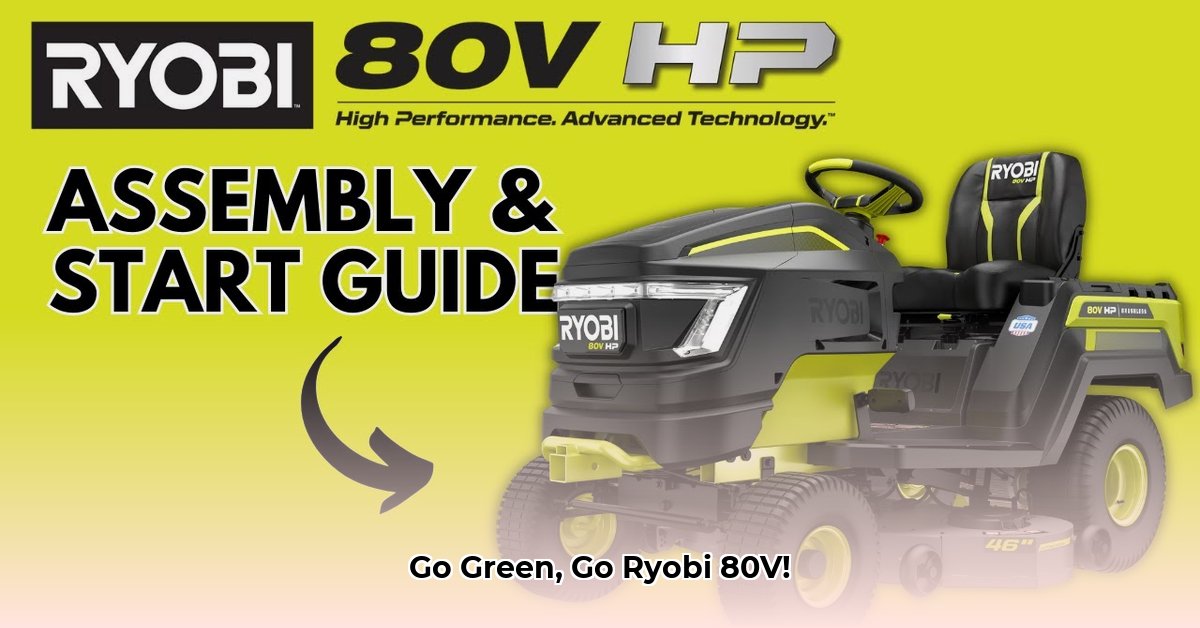
Thinking about transitioning to more sustainable farming practices? Electric tractors are gaining traction, and the Ryobi 80V presents a compelling option for many farmers. This article delves into the Ryobi 80V's capabilities, sustainability benefits, limitations, and overall suitability for various farming operations. We’ll also provide actionable steps to help you determine if this electric tractor is the right fit for your needs. For more options, check out this list of electric tractors.
Powering a Greener Future: Electric Tractors in Sustainable Agriculture
Sustainable agriculture demands environmentally conscious practices. Traditional gas-powered tractors contribute significantly to air pollution. Electric tractors like the Ryobi 80V offer a cleaner, quieter alternative. But the benefits extend beyond environmental friendliness. They often provide cost savings and ease of use. Isn't it time to consider the long-term environmental and financial impact of your farming equipment?
Performance and Capabilities: The Ryobi 80V in Action
The Ryobi 80V tractor isn't designed for massive commercial farms, but it excels in smaller-scale operations, hobby farms, or as supplementary equipment for larger farms. It efficiently handles mowing, tilling, and other essential tasks. The quiet electric motor creates a more peaceful working environment, eliminating the noise pollution of gas engines. The absence of fumes is a significant advantage when working near crops or in enclosed spaces.
Sustainability in Action: Real-World Impact
Switching to the Ryobi 80V directly contributes to cleaner air and a healthier environment. The reduced carbon footprint is a substantial benefit, not just for your farm but for the wider community and the future of agriculture. Reduced noise pollution also improves your quality of life and fosters better relations with neighbors. How significant is the reduction of your carbon footprint to your overall farming goals?
The Cost Factor: A Long-Term Investment
Although the initial investment in a Ryobi 80V might seem higher than a comparable gas-powered tractor, the long-term cost savings are substantial. The elimination of fuel costs and reduced maintenance needs significantly impact the total cost of ownership. While battery replacements are a factor, many farmers report substantial savings over the tractor's lifetime. Consider this an investment in both your farm's future and environmental responsibility. What is your current annual fuel expenditure on your current tractor?
Limitations and Considerations: A Realistic Assessment
The Ryobi 80V, like any piece of equipment, has limitations. Battery life is a key consideration. For larger farms, battery swapping during extended operations might be necessary, requiring additional planning and spare batteries. The range of available attachments is currently more limited than gas-powered tractors, potentially impacting versatility. Therefore, a thorough assessment of your farming operations is crucial to determine if these limitations are significant.
Choosing the Right Equipment: A Step-by-Step Guide
Making the right choice involves careful planning. Consider the size of your farm, the specific tasks, and the intensity of your operations. Compare the Ryobi 80V's capabilities to other electric and gas models, weighing functionality and long-term costs. The ideal tractor increases your productivity while minimizing your environmental impact.
Maintenance and Care: Ensuring Longevity
Regular maintenance is essential for maximizing the Ryobi 80V’s lifespan. Proper battery charging and storage are vital. Refer to the owner’s manual for detailed instructions. Preventative maintenance prevents costly repairs and ensures efficient operation. How would a few hours of preventative maintenance translate to your overall productivity?
The Future of Sustainable Farming: Embracing Innovation
Electric tractor technology is constantly evolving. Improvements in battery life, power output, and attachment availability are ongoing. The Ryobi 80V exemplifies the growing viability of electric solutions in agriculture. It’s a significant step toward a more sustainable future of farming. The technology will continue to improve and become more accessible.
Ryobi 80V Tractor: Pros and Cons
| Pros | Cons |
|---|---|
| Environmentally friendly | Limited battery life; may require frequent charging |
| Significantly quieter operation | Fewer attachments currently available |
| Lower running costs (fuel and maintenance) | Higher initial purchase price than some gas models |
| Easier to operate than some gas tractors | Limited availability of replacement parts in some areas |
Actionable Steps: Making an Informed Decision
- Analyze Your Farming Operation: Assess land size, tasks, and work intensity.
- Conduct Thorough Research: Compare the Ryobi 80V with competitors.
- Set a Realistic Budget: Factor in initial cost, battery replacements, and maintenance.
- Gather User Feedback: Read reviews and seek input from experienced users.
- Make an Informed Decision: Choose the tractor best suited to your needs and sustainability goals.
The Ryobi 80V tractor represents a significant step towards sustainable farming practices. While not ideal for every operation, its benefits are significant for many farmers. Carefully evaluate its capabilities and limitations before making a purchase. The future of farming is evolving, and electric tractors are leading the charge.